English
 Arabic
 French
 Spanish
 Portuguese
 Deutsch
 Turkish
 Dutch
Dutch
 Italiano
 Russian
 Romaian
 Portuguese (Brazil)
 Greek
Greek
To Do ! Hefei National Week Activity Guide
Hefei |
2025-10-01 04:05:15
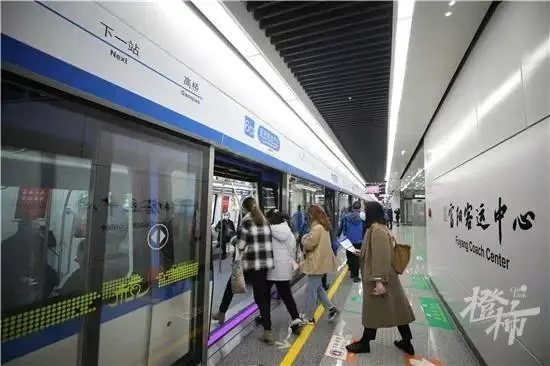
Shenzhen Metro’s “Hand-Eaten Rice” Incident Sparks Public Debate; Authorities Reaffirm: No Eating for Anyone
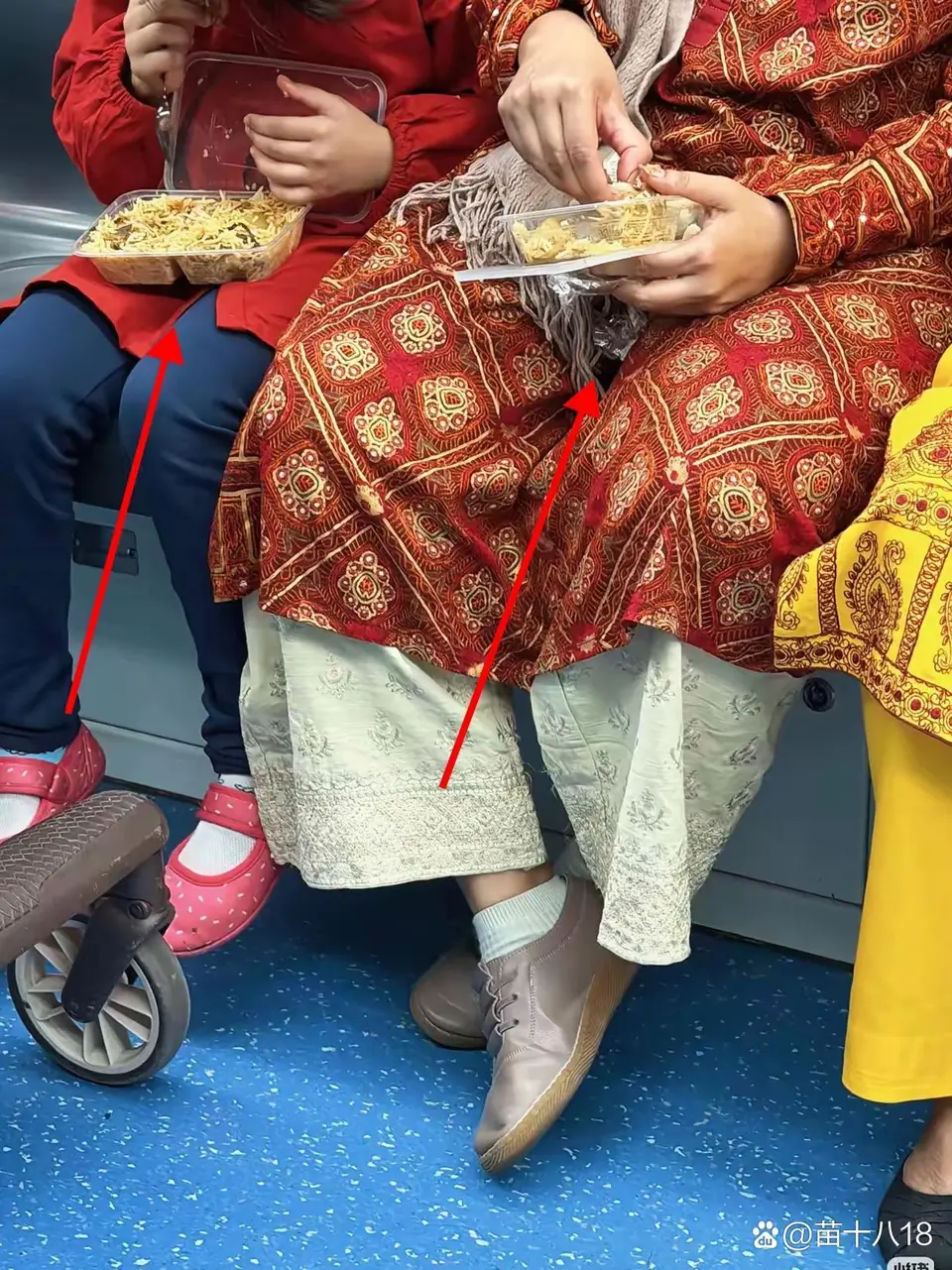
Shenzhen, China — A recent viral photo showing a foreign passenger eating rice with his hands inside a Shenzhen Metro train triggered significant discussion on Chinese social media. Critics argued that the behavior violated long-standing prohibitions on eating within metro carriages, describing it as uncivil. Others questioned whether enforcement is consistent, noting that many local commuters often consume breakfast items such as steamed buns or soy milk without repercussions.
Shenzhen Metro issued a response stating that patrol staff did not observe any violations at the time of the incident. However, the authority emphasized that metro rules apply equally to all passengers, regardless of nationality: eating and drinking remain strictly prohibited.
The incident has since evolved into a broader conversation about public awareness and enforcement of transport etiquette. Commentators pointed out that food consumption on trains is a widespread issue across many cities, raising the question of whether regulations are respected in daily practice.
Observers have compared Shenzhen’s enforcement with international examples. Singapore imposes substantial fines for consuming food or beverages on public transit, reinforcing a long-established social consensus regarding cleanliness in shared spaces. Tokyo employs a less punitive model, relying on cultural norms that discourage inconveniencing other commuters.
Within China, rules banning food on the metro have been in place for more than a decade, yet compliance and enforcement remain inconsistent. The debate has also exposed polarized attitudes toward foreign passengers, with some netizens highlighting a trend of applying double standards.
Commentary following the event suggests that the core issue is not the specific cultural form of eating, such as hand-eaten rice versus chopsticks, but rather whether public behavior respects common comfort and hygiene.
Analysts argue that China is navigating the transition from selective enforcement to more consistent rule-based governance in public spaces. The discussion ultimately reflects the nation’s pursuit of civic responsibility and mutual respect in crowded urban environments.