English
 Arabic
 French
 Spanish
 Portuguese
 Deutsch
 Turkish
 Dutch
Dutch
 Italiano
 Russian
 Romaian
 Portuguese (Brazil)
 Greek
Greek
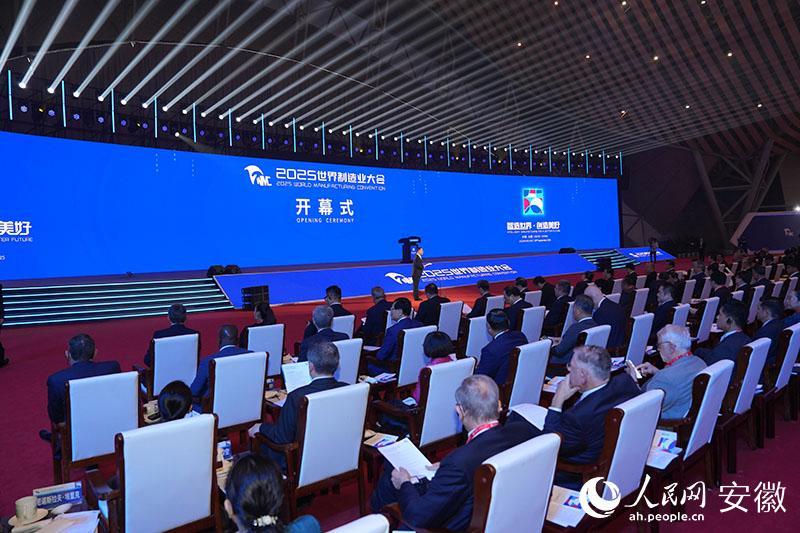
2025 World Manufacturing Forum Opens in Hefei
Hefei |
2025-09-20 09:33:17
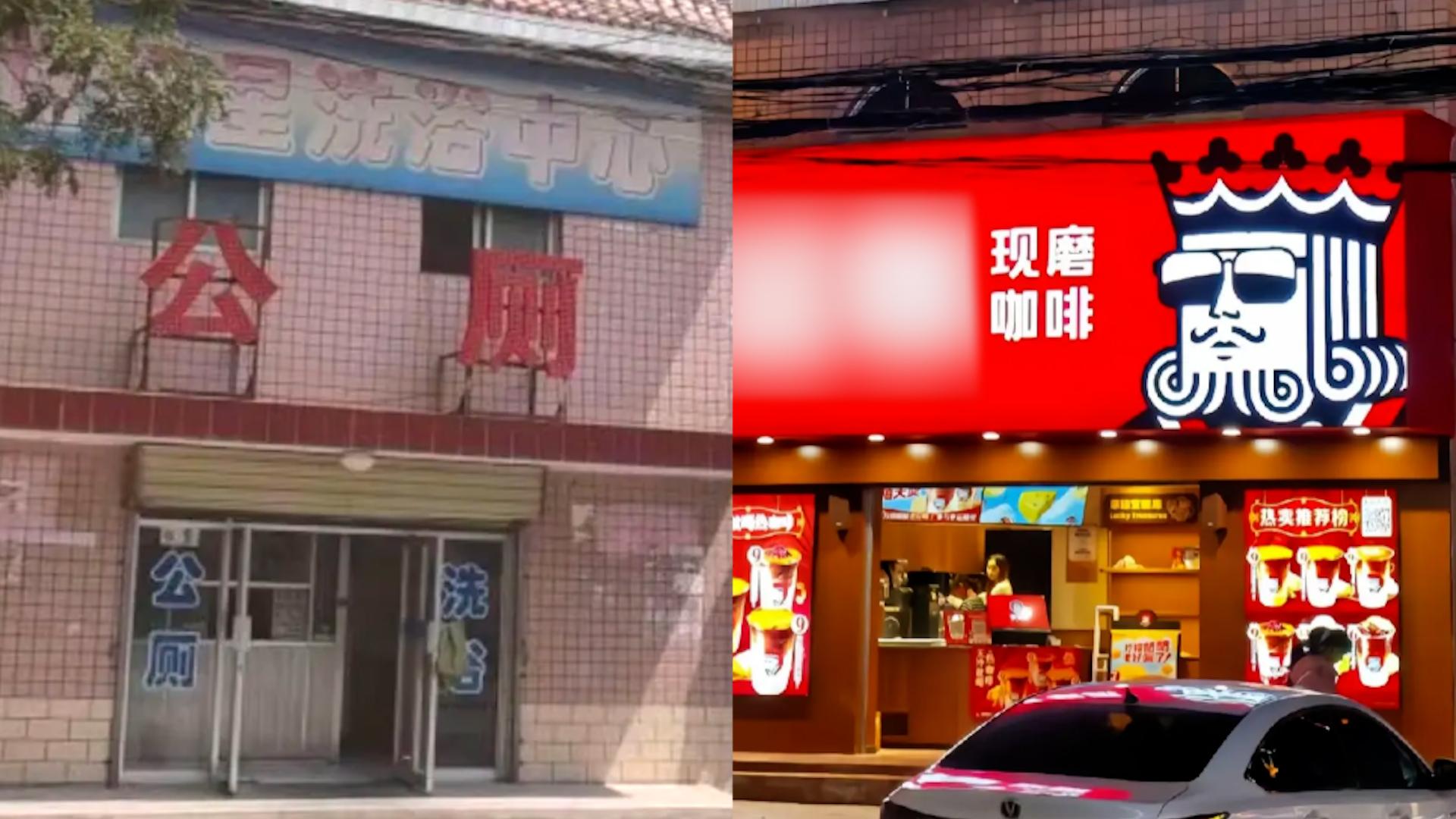
A public toilet in Qingyang County, Gansu, which had been in use for 30 years, was recently transformed into a coffee shop after a month-long renovation. However, it was sealed off before even opening for business due to incomplete approval procedures and complicated property rights. This transformation, which appeared to be a creative use of idle resources for urban renewal, ended up being a case of "shallow" renovation, focusing only on the surface while neglecting deeper, more critical issues, ultimately unable to withstand scrutiny from the public and media.
1. Food Safety Concerns: The food service industry has strict sanitation requirements, including independent systems for cleaning, disinfection, and waste management. Public toilets, however, are designed around sewage and drainage systems, not food safety. The building's structure, ventilation, and materials were all built for its original purpose, making it impossible to eliminate hidden safety risks, even with an expensive surface-level renovation.
2. Public Perception: This toilet had been serving the community for 30 years, and its location had become ingrained in the local residents' minds. The public’s subconscious association of this place with a restroom makes it difficult to shake off negative connotations. The stark contrast between "using the toilet" and "eating" creates an automatic negative bias that can directly affect customers’ willingness to visit and their experience.
3. Ownership of Public Resources: Public toilets are government-owned facilities. The transformation of such a space into a private business must be fully legal and transparent. The process of privatizing this space is not as simple as “who occupies it, who renovates it.” It requires clear and legitimate decision-making and approval procedures to ensure that public resources are used appropriately.
Urban renewal efforts need more than just a polished exterior; they need to address the foundational aspects as well. For example, Chongqing's E'ling Factory, a former national bank printing facility, was turned into a popular cultural district, blending industrial history with modern creativity. Similarly, the New Grain Warehouse in Hefei, once a state-run grain storage facility, now serves as a cultural and commercial hub with diverse dining options. These projects succeed because they harmoniously combine history with modern functions, transforming historical memory into valuable cultural capital. In contrast, the conversion of a public toilet into a café faces a fundamental conflict between its past and future use, which makes such a superficial "renovation" unlikely to gain widespread public acceptance.
Instead of merely renovating, a complete "reconstruction" would create a new landmark that aligns with modern standards. In terms of food safety, a full reconstruction could follow all relevant regulations, from the foundation to the roof. Psychologically, it would create a clean slate for customers, erasing negative associations, while legally ensuring that property rights and land use issues are addressed before the project begins.
Urban renewal needs to balance appearance with substance. While the "face" of a city should be appealing, it must be supported by solid, compliant infrastructure and respect for public sentiment. Only by adhering to scientific principles, valuing public feelings, and following legal processes can urban renewal achieve a comprehensive upgrade, preserving history while embracing a vibrant and healthy future.